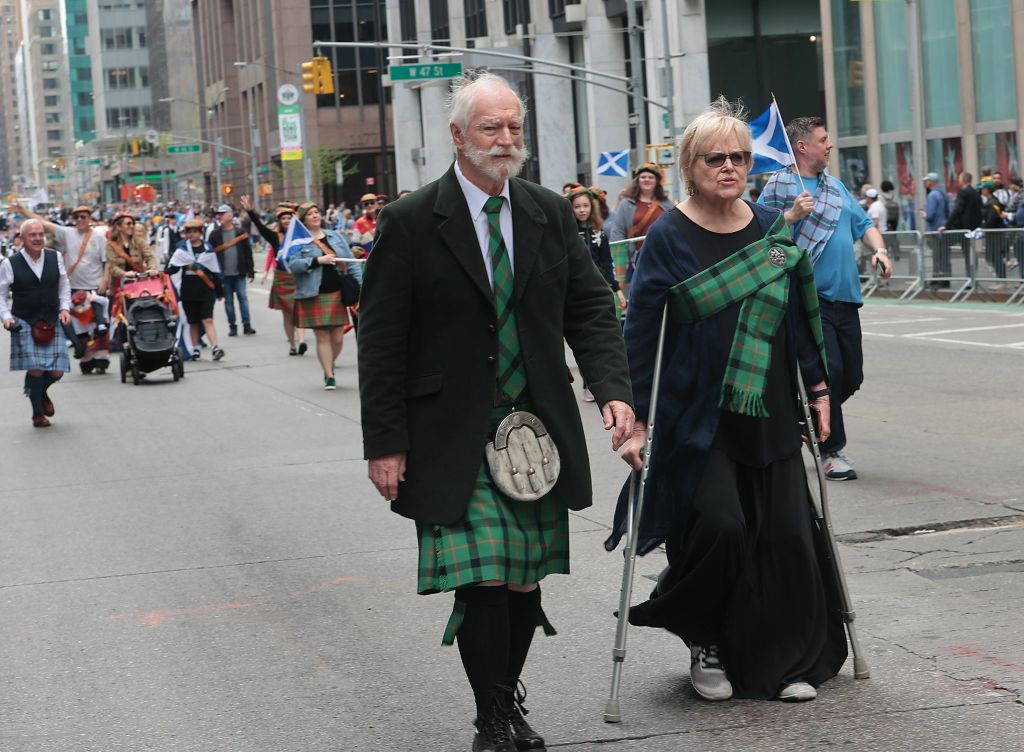
When one thinks of men wearing kilts, a vivid image of Scotland’s rugged and mystical landscapes, adorned with men in traditional attire, often comes to mind. However, the story of men donning kilts is far more multifaceted than meets the eye. In this blog post, we’ll delve into the intriguing history, cultural significance, and the modern resurgence of men wearing kilts, shedding light on this unique and enduring fashion statement.
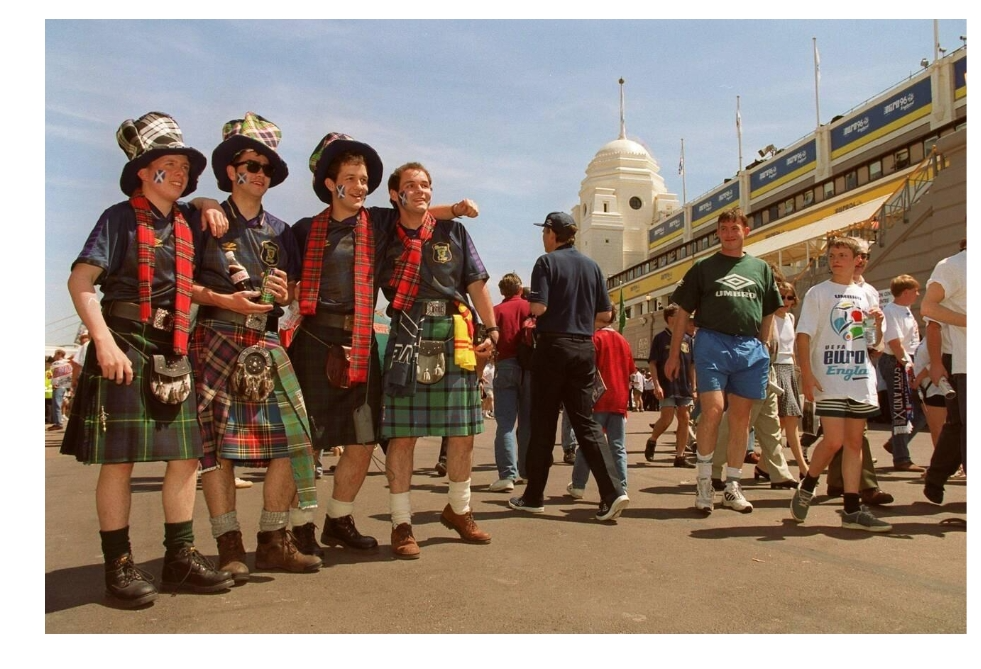
Men wearing kilts is a cultural phenomenon that goes beyond mere fashion; it’s a reflection of tradition, identity, and a celebration of heritage. Kilts, with their distinctive tartan patterns, have a rich history deeply rooted in Scottish culture, symbolizing the strength and resilience of the Scottish people. These garments are not only a source of pride for individuals but also a connection to their clans and ancestors. While the kilt has its origins in the past, it continues to evolve, with modern interpretations that cater to comfort and style. Men worldwide are embracing kilts not only for their historical and cultural significance but also for their versatility, breaking traditional gender norms and serving as a canvas for self-expression. Whether worn at formal events, casual outings, or as a bold fashion statement, men wearing kilts exemplify the enduring allure of a garment that seamlessly weaves together the past and present.
The Rich History of Kilts
The history of kilts stretches back centuries, with origins that are both fascinating and deeply rooted in Scottish heritage. Early forms of kilts can be traced to the 16th century, evolving from the “féileadh mór,” a full-length garment that covered the body and served as both clothing and a blanket. These early kilts were made of wool and served practical purposes in the challenging Scottish climate.
Over time, the kilt transformed into the iconic garment we recognize today, characterized by its tartan pattern. The early 18th century marked a significant turning point when kilts became a symbol of clan identity and pride. Each clan had its distinct tartan, which symbolized their heritage and allegiance. This tradition persists today, with many Scots proudly wearing their clan’s tartan at special events and gatherings.
The Cultural Significance of Kilts
The kilt is not just a garment; it’s a symbol of Scottish culture and history. It represents strength, resilience, and a deep connection to the land. In Scotland, you’ll often find kilts worn during significant cultural events, such as weddings, ceilidhs (traditional Scottish dances), and Highland Games. These events showcase the kilt’s importance in preserving and celebrating the country’s rich heritage.
Furthermore, the kilt embodies a sense of community and belonging. When a man wears a kilt, he is not just displaying his own identity but also paying homage to his ancestors and clan. The tartan patterns are like a living tapestry of history, weaving together the stories of generations who came before. Kilts are a testament to the enduring spirit of the Scottish people and their strong sense of unity.
Modern Resurgence & Stylish Appeal
While kilts have deep historical and cultural significance, they are far from being stuck in the past. In recent years, there has been a resurgence in the popularity of kilts, both in Scotland and around the world. Men are embracing kilts not just for their cultural significance but also for their stylish and versatile appeal.
Modern kilts are designed with comfort and practicality in mind. They come in a variety of styles, including the traditional tartan kilt, utility kilts, and contemporary kilts with unique designs. These kilts are made from a range of materials, making them suitable for different seasons and occasions.
One of the most appealing aspects of the kilt is its versatility. Men can wear kilts to formal events like weddings, or dress them down for a casual, everyday look. Kilts also offer excellent freedom of movement, making them an excellent choice for outdoor activities and sports.
The rise of social media and fashion influencers has played a significant role in popularizing kilts among men of various backgrounds. Many celebrities and influencers have been spotted wearing kilts, normalizing them as a fashionable choice. This has opened the door for men worldwide to explore the unique and eye-catching world of kilts.
Breaking Gender Norms
Kilts have also played a role in challenging traditional gender norms. In the past, Kilts were predominantly worn by men, and women wore different forms of traditional dress. However, in the modern era, gender boundaries are being pushed, and it’s not uncommon to see women proudly wearing kilts. This breaking of gender norms through fashion reflects society’s evolving attitudes toward equality and self-expression.
Conclusion
The history and cultural significance of men wearing kilts are as captivating as the striking visual appeal they offer. The kilt is more than just a garment; it’s a symbol of heritage, unity, and resilience. While deeply rooted in tradition, it has found a place in the modern world as a stylish and versatile choice. Kilts have broken free from gender norms, offering a unique opportunity for people to express themselves and embrace their heritage. As we continue to evolve, the enduring appeal of the kilt reminds us of the importance of honoring our past while celebrating our future. Whether you’re a Scot proudly displaying your clan’s tartan or a fashion-forward individual looking to make a statement, the kilt has a place for all.
 Scotland Kilt's blog
Leave a comment